A mistake can produce something worth investigating. The learning comes from what we do after noticing it: examine the result, test our assumptions, and decide what to change. Woodford Reserve’s Toasted Bourbon offers an example.
The barrel mix-up behind Toasted Bourbon
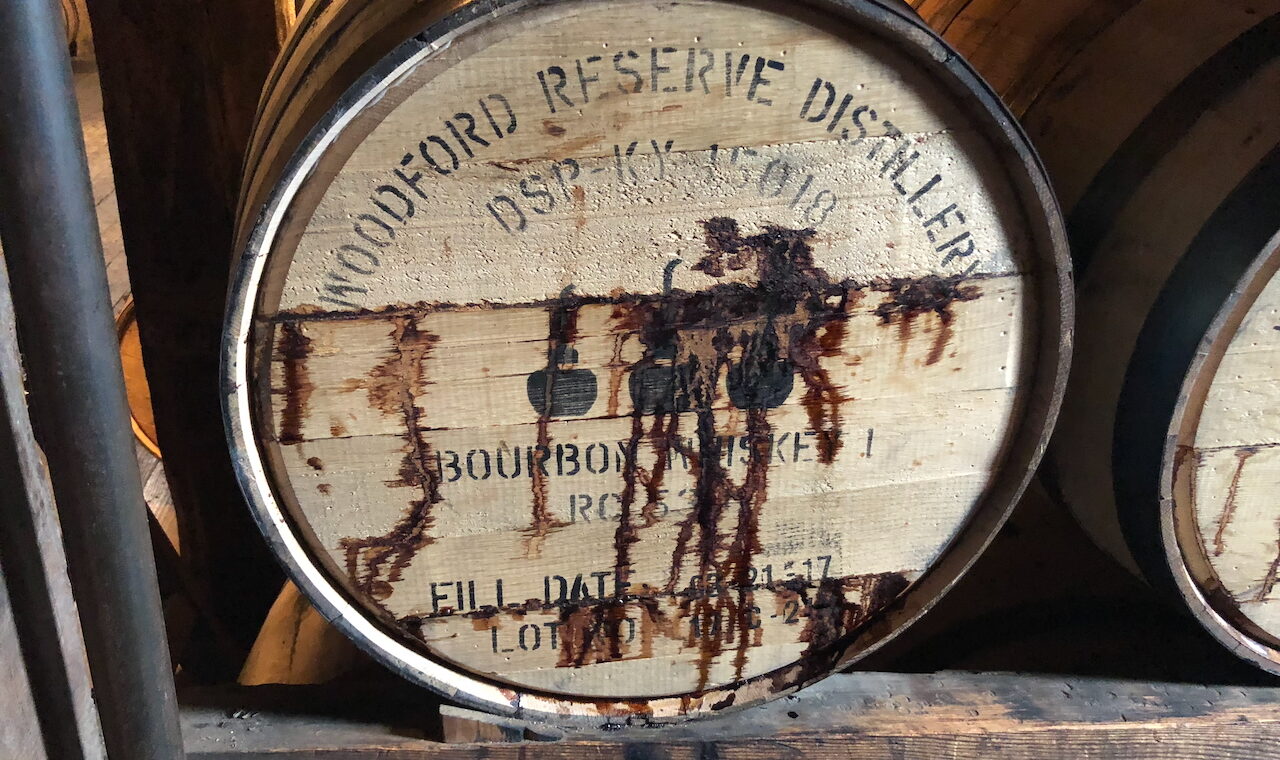
According to The Bourbon Review’s report of the 2024 release, new-make bourbon was put into Double Oaked barrels by mistake in 2017. The team discovered the mix-up after filling 18 barrels. Elizabeth McCall chose to retain them and monitor how the whiskey developed. After more than six years, that experiment became Toasted Bourbon.
What interests me is the choice to investigate. Finding an unexpected result did not end the work. It created a question the team could study over time.
Extended aging is another variable to explore
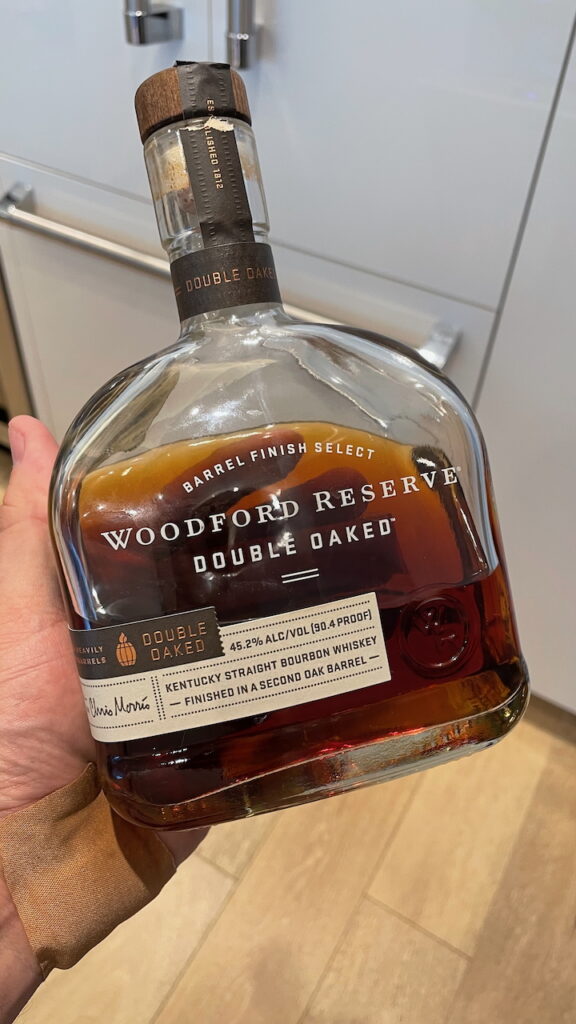
Woodford Reserve describes Double Double Oaked as bourbon given extended time in a second, deeply toasted and lightly charred barrel. That product illustrates how changing the time in a barrel changes the result. The brand’s product page does not establish the accidental origin claimed in an earlier version of this article, so I am keeping that distinction clear.
What the story tells us—and what it does not
The Toasted Bourbon account describes a mistake followed by deliberate observation. It does not tell us how every person involved was treated. A successful product is not, by itself, proof that a workplace is psychologically safe or that nobody was blamed.
My leadership takeaway is a question: when something differs from what we expected, do we make room to understand it? That is a choice we can examine in our own organizations without assuming we know everything about someone else’s culture.
Curiosity still needs standards
An unexpected outcome is not automatically an improvement. Sometimes the right response is to contain a problem and prevent it from reaching a customer. Sometimes there is a safe opportunity to study it. We need evidence to decide, and the risks differ across settings.
We can keep standards while asking what a deviation teaches us. The goal is to understand the result and decide whether a change is worth testing deliberately. A lucky outcome does not mean we should rely on the same mistake happening again.
Questions to bring to your team
Think about a recent result that surprised you. What had you expected? What was different? What evidence would help explain the difference? Is there a small, safe test you could run before deciding what to change?
Also ask what made it possible to discuss the result openly. Psychological safety and continuous improvement work together when people can raise concerns and get help addressing them. Responding without blame or shame helps keep that conversation open.
These questions connect with the themes of The Mistakes That Make Us. For more conversations about what people learned from mistakes, start with this guide to using podcast stories with your team.
Bring a useful conversation to your team
Start with a free preview of The Mistakes That Make Us. See how the book approaches learning, accountability, and improvement before deciding whether it is right for you.
Email registration required to receive the preview.
Prefer to listen? Choose a My Favorite Mistake episode to discuss with your team. To explore these ideas together, bring Mark to your organization or event.