Jim Marshall’s wrong-way run is one of football’s most memorable mistakes. It is also a small part of a much longer career. When I think about learning from mistakes, that distinction matters: we can examine a bad play without making it the whole story of a person.
Marshall died on June 3, 2025, at age 87. The Vikings’ tribute describes his lasting contribution to the team, including 270 consecutive regular-season starts for Minnesota.
The wrong-way run—and what came after
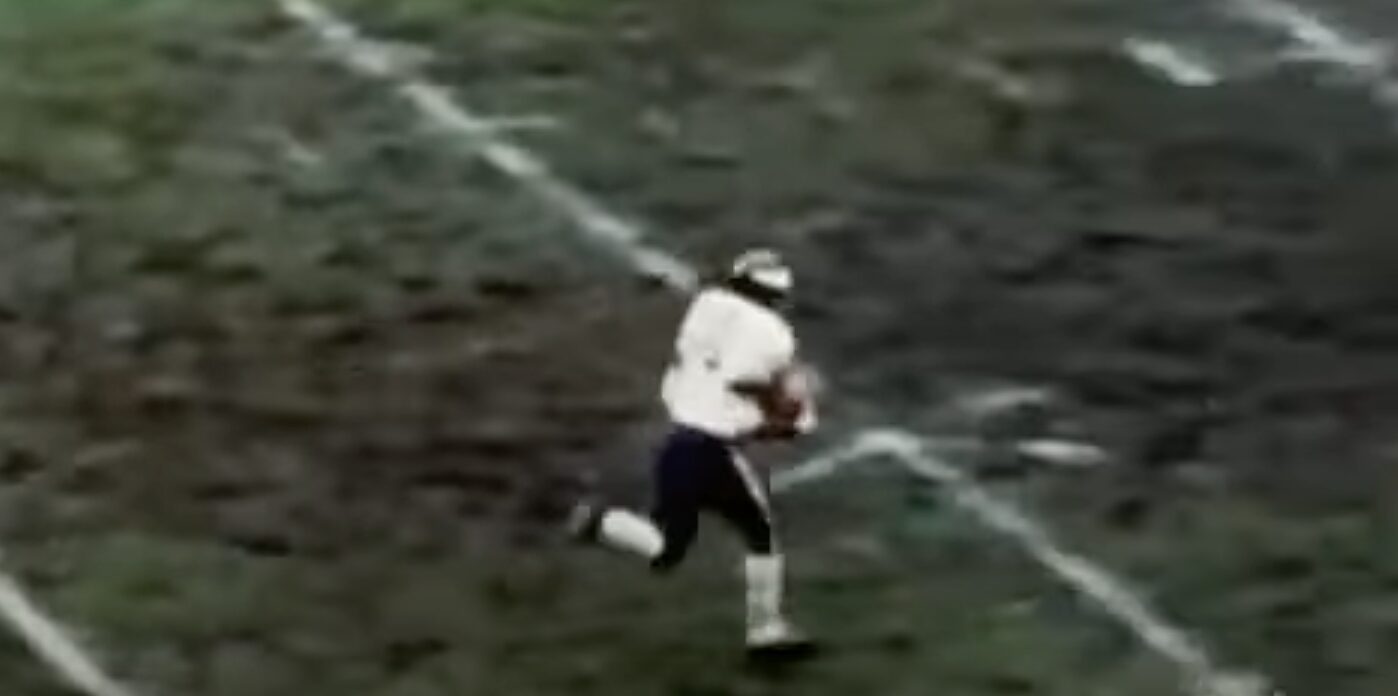
In 1964, Marshall recovered a fumble and ran 66 yards into his own end zone. The play resulted in a safety for the other team. The clip is still striking, even when you know what is coming:
Marshall kept playing. His career included all four of Minnesota’s Super Bowl appearances. Remembering those contributions alongside the mistake gives us a fuller picture of his work.
A mistake is an event, not a complete identity
At work, a memorable error can follow somebody long after it happens. That can make it harder to ask what we actually need to learn. What did the person see at the time? What did they misunderstand? What would help them recognize the situation sooner?
The Dwayne Rudd helmet-toss story raises related questions about acting on an incorrect assumption. Watching either play with hindsight is easier than making a decision in the moment. That is a reason to investigate carefully.
Help people return to useful work
“Move on” can be good encouragement, but it is not a complete response. A leader can help someone understand a mistake, address its consequences, and decide what to do differently. That combines support with responsibility.
We can also examine the conditions around the work. Were signals clear? Was help available? Did somebody feel able to ask a question? Looking inward instead of blaming and shaming gives leaders a practical place to start.
A question for your team
Think about someone whose mistake you remember vividly. What else do you know about their contribution? How would a fuller view change the conversation you have with them?
Marshall’s career is a reminder to keep that perspective. We can take a mistake seriously and still see the person’s ability to contribute, learn, and keep going.
Bring a useful conversation to your team
Start with a free preview of The Mistakes That Make Us. See how the book approaches learning, accountability, and improvement before deciding whether it is right for you.
Email registration required to receive the preview.
Prefer to listen? Choose a My Favorite Mistake episode to discuss with your team. To explore these ideas together, bring Mark to your organization or event.