
Psychological safety makes it easier to raise a problem. Continuous improvement gives us a way to do something about it. We need both. An invitation to speak up loses credibility when people see that nothing changes.
In this Shingo Institute webinar, I discuss lessons from The Mistakes That Make Us about responding to mistakes, encouraging candor, and turning what we learn into better work. Watch the recording or read the key ideas below. These are edited takeaways, rather than a word-for-word transcript.
Watch the Shingo Institute webinar
A way to signal a problem is only the beginning
Toyota’s andon system gives team members a way to call for help when they see a problem. But the cord or button is only part of the system. What happens after someone uses it matters.
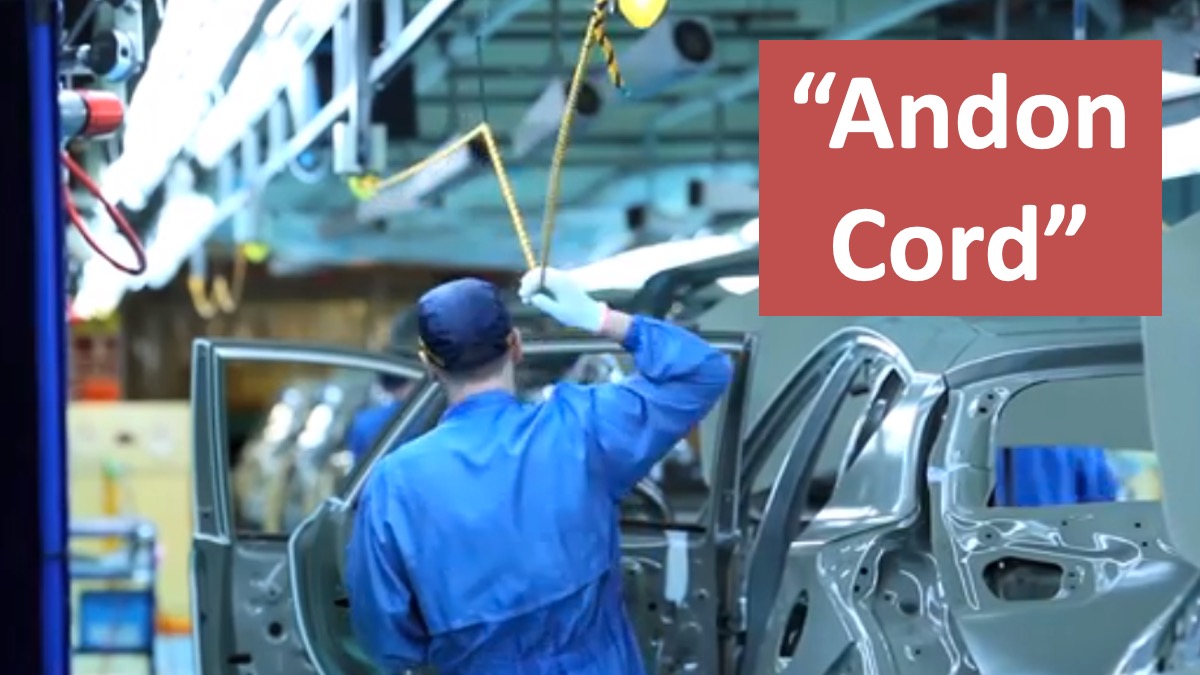
If asking for help brings blame or irritation, people learn to hesitate. If it brings support and problem-solving, they have a reason to use the system again. The same question applies to an incident-reporting form, an improvement huddle, or a manager’s invitation to raise concerns.
More reports do not necessarily mean more harm
The hospital example in the presentation raises an important measurement question: what does an increase in reported incidents tell us? It may reflect greater willingness to report, changes in how reports are collected, more incidents, or a combination of factors. The count alone cannot tell us which explanation is right.
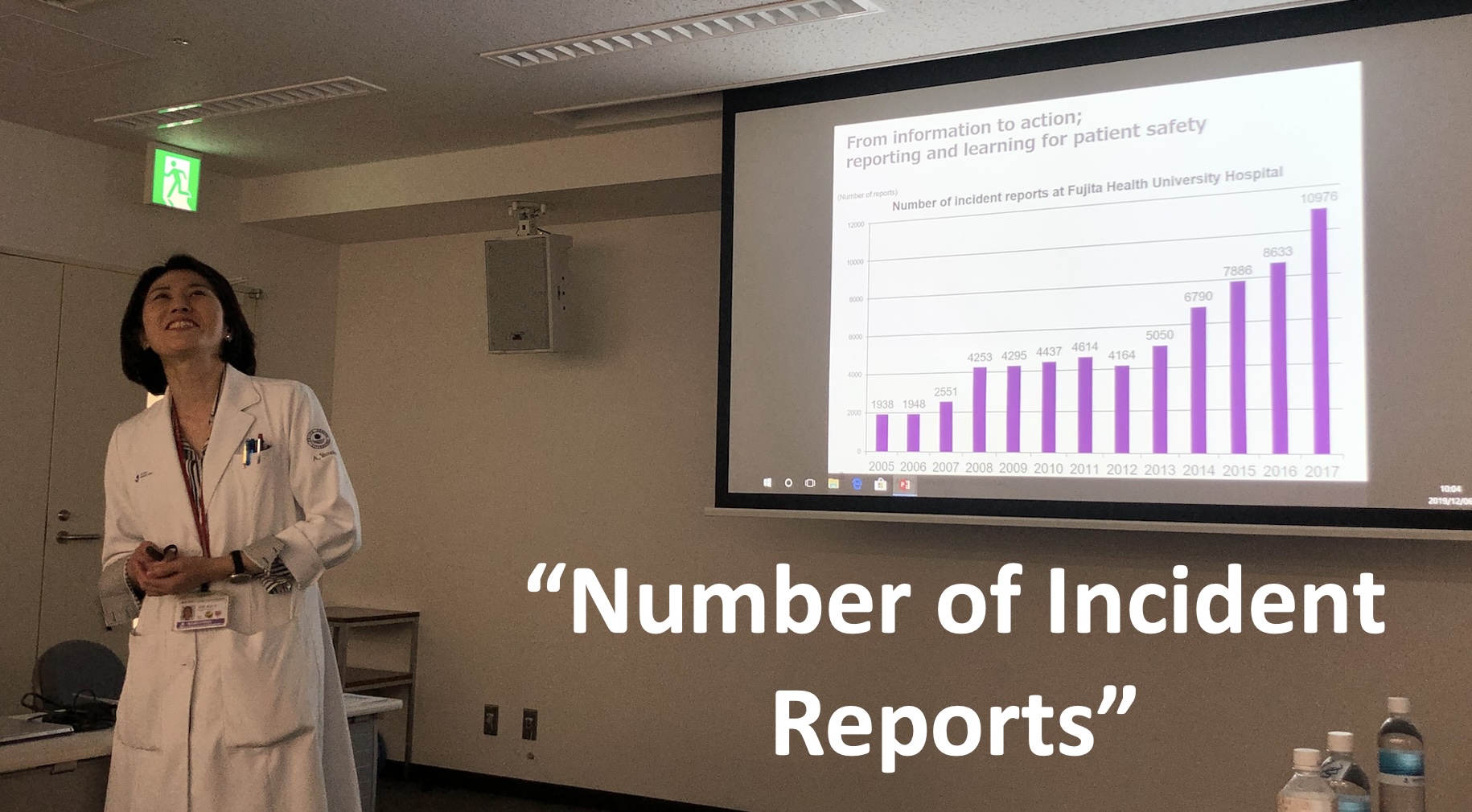
Look at reports alongside what happened to patients, what people say about speaking up, and what the organization did in response. Reporting a concern creates an opportunity to learn. Improvement depends on how we investigate and act on it.
A mistake becomes clear when the result differs from what we expected
I describe mistakes as actions or judgments that turn out to be misguided or wrong. Those words matter. We usually see the gap between our expectations and the outcome after the fact.
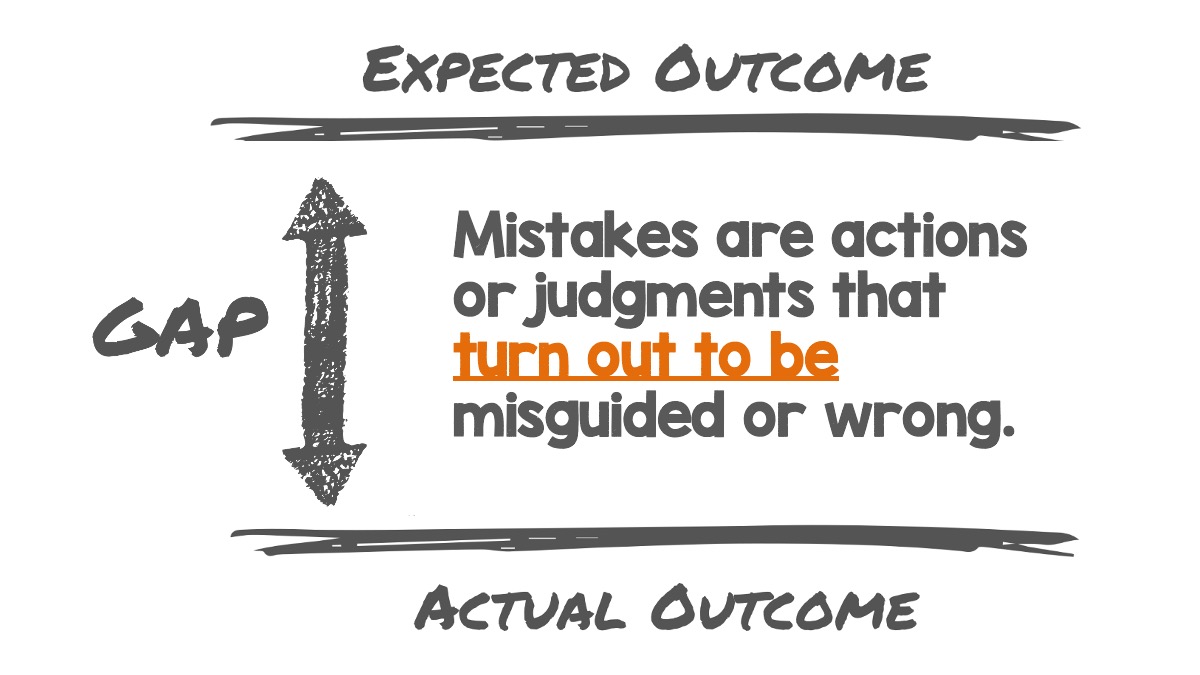
That is a reason to ask what made a decision seem reasonable at the time. What did we know? What did we assume? What information was missing? Those questions give us more to work with than calling someone careless.
Three behaviors that encourage candor
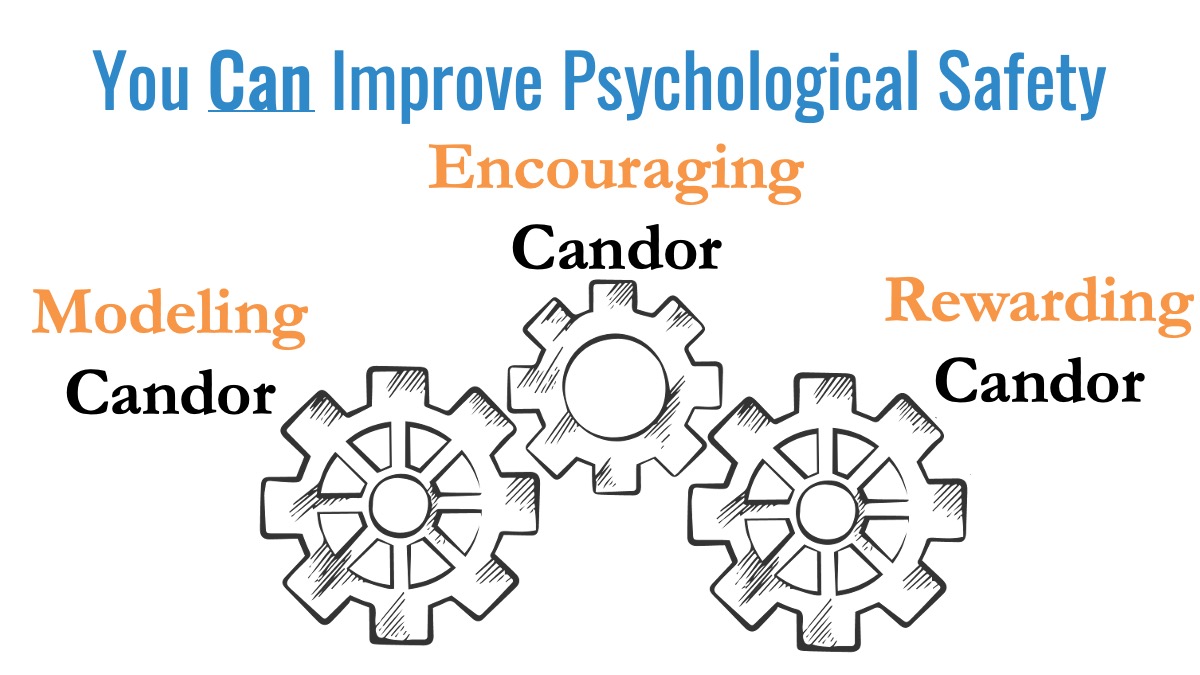
Model candor. Admit a mistake of your own and explain what you learned or changed. Give people an example of the behavior you are asking for.
Encourage candor. Ask specific questions: What are we missing? Where might this fail? What makes the work harder than it needs to be? Leave room for an answer you did not expect.
Reward candor. Thank people for raising a concern and respond constructively. Follow up so they know what happened, including when you cannot implement their suggestion.
What if people think speaking up is pointless?
Fear and futility are different barriers. Someone may feel safe enough to raise a concern but decide it is not worth the effort because previous concerns went nowhere.
Make the response visible. Agree on a next step, identify who will help, and return to the person who raised the issue. If the answer is no, explain why. If it is not yet clear, explain what you need to learn. Listening matters, and follow-through gives people evidence that listening leads somewhere.
Try one change in your next conversation
The next time someone tells you about a mistake, pause before offering a judgment. Thank them for telling you. Ask what happened and what would help. Then decide together what to try and when to check back.
For more on improving the work itself, read about Toyota’s mistake-proofing approach. For the broader argument, see my summary of The Mistakes That Make Us.
Bring a useful conversation to your team
Start with a free preview of The Mistakes That Make Us. See how the book approaches learning, accountability, and improvement before deciding whether it is right for you.
Email registration required to receive the preview.
Prefer to listen? Choose a My Favorite Mistake episode to discuss with your team. To explore these ideas together, bring Mark to your organization or event.